Folio · Practice · 7 min
Olive oil and footnotes
Evidence should be fat enough to taste and thin enough to cite. Most research is the opposite: a slick narrative with nowhere to press.

Priya Raman
Canon · May 8, 2026
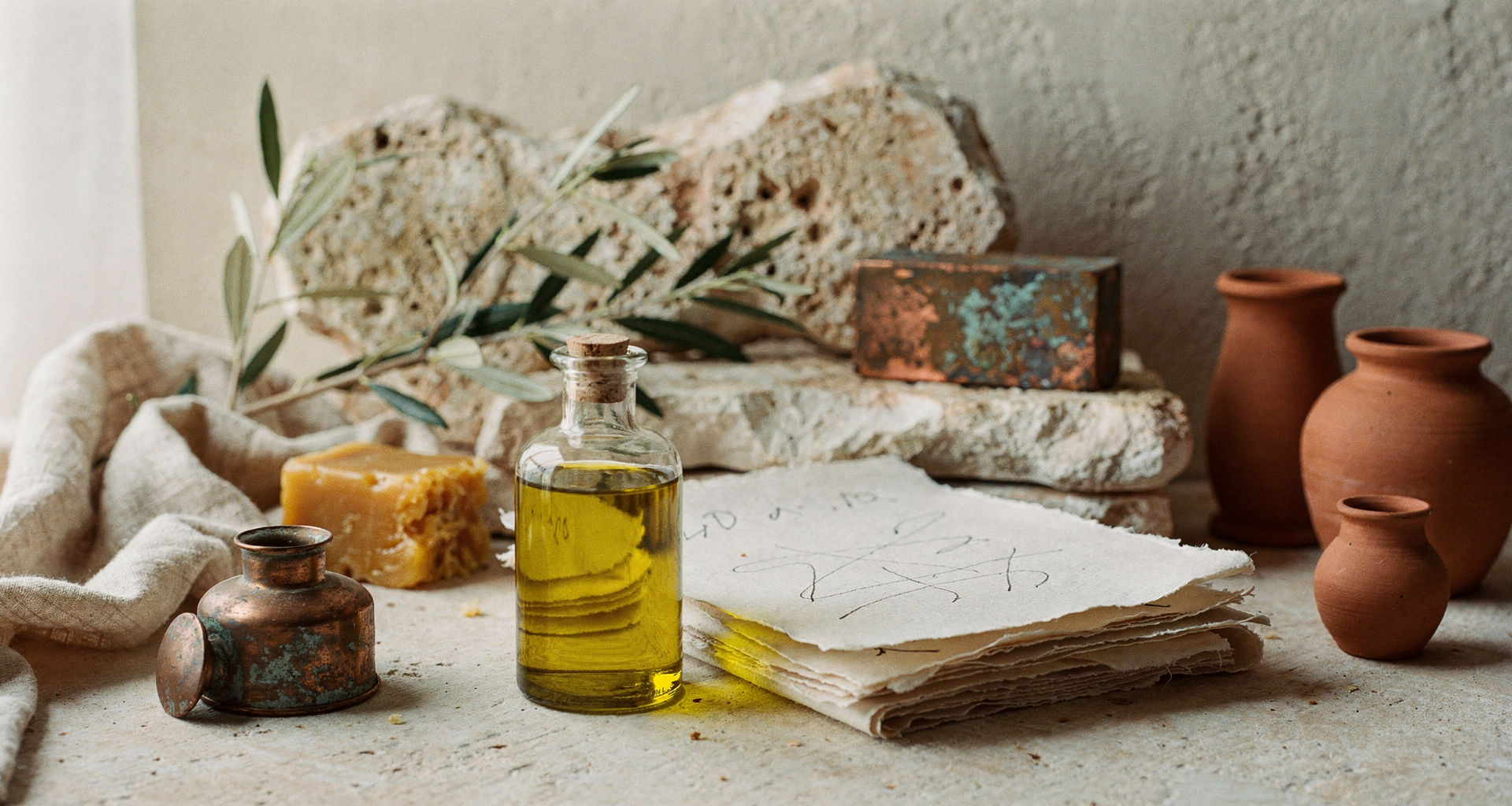
A good brief has body. You should be able to taste the sources without eating the folder. Footnotes are how we keep the oil from becoming perfume.
Cite the quarrel, not the vibe
If two interviews disagree, the footnote is not “see appendix.” The footnote is the two claims, the dates, and the reason you still recommend. A reader who cannot reach the quarrel cannot sign.
Athena’s loom stores provenance on the card. When you weave, the brief inherits those trails. If a sentence has no trail, it is style. Cut it or sit with it until it earns a source.
How much oil is enough
Enough that a skeptic can follow. Not so much that the brief becomes a literature review. If you need twenty citations to say we should wait, you do not have a recommendation. You have anxiety with formatting.
A practice for Tuesdays
Once a week I print the brief and black out every sentence I could not defend without opening a tab. What remains is usually shorter, and usually true. The rest goes back to the grove as questions.
The Canon has a chapter on this. The Folio is where we admit it is a habit, not a feature.