Folio · Counsel · 7 min
The brief you can sign
A counsel note is not a deck. It is a short argument with a name, a quarrel, and a seal that stays blank until someone sits.

Elena Voss
Counsel · July 14, 2026
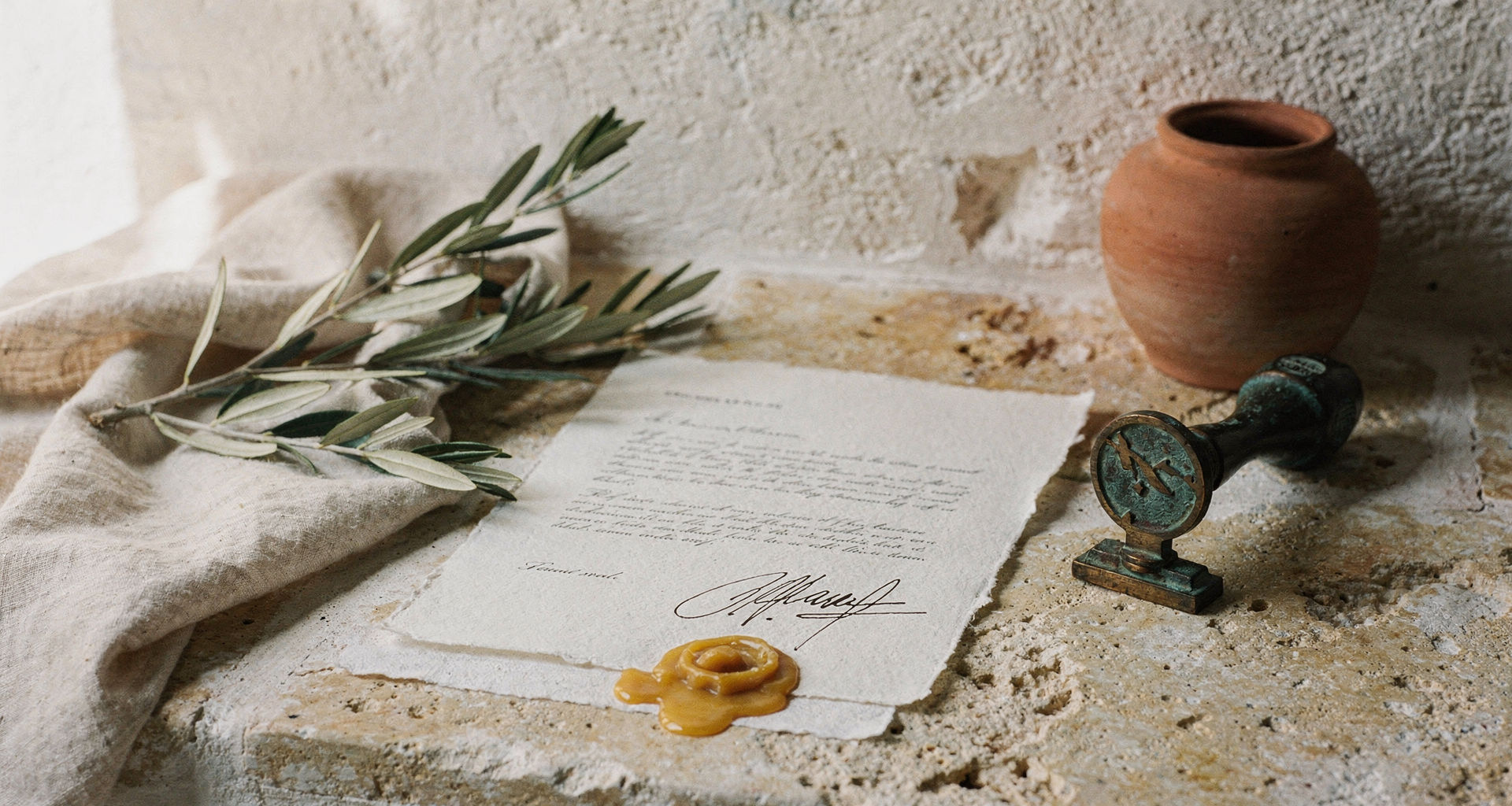
A deck can survive a meeting because nobody has to own a sentence. A brief cannot. The page is short on purpose. If you cannot put a name under the last line, you do not have counsel. You have weather.
What a brief holds
Three things, and almost never a fourth:
- What is known. Not everything you collected. The claims you would repeat in a room without looking at notes.
- What is contested. The place two good sources refuse each other. Name the quarrel. Do not average it.
- What you recommend. One sentence. A person can agree, refuse, or send it back to the loom.
Athena will help you weave the first two. It will draft the third. It will not press the wax.
Why the seal stays blank
Teams buy tools that finish. Finishing is a relief. It is also how orphan decisions get into production: a model wrote a paragraph, a calendar ate the review, a slide shipped with nobody's name.
The seal is a small humiliation on purpose. You have to sit. You have to say this is the brief I will defend. Until then the work is a draft, and the table treats it as one.
How to know you are done
You are not done when the prose is pretty. You are done when a colleague could argue with the recommendation without asking what the rest of the folder meant. If they still need the transcripts, the loom is unfinished.
Keep the folder. Do not send it. Send the brief.